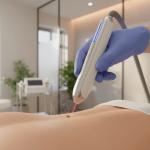
Moles, those common skin spots, have long been both cherished and removed. Older removal methods like procedure often left scars and carried risks. But now, laser technology is revolutionizing mole removal. This cutting-edge approach uses focused light to precisely eliminate moles with minimal damage, offering a safer and more effective solution. This article explores the benefits and applications of this transformative technology, revealing how it’s reshaping the future of skin care.
Understanding Moles and Why We Remove Them

Before diving into the specifics of laser mole removal, let’s first understand what moles are and why someone might consider having them removed. Moles, or nevi, are clusters of pigmented cells that appear as small, dark spots on the skin. They come in various forms:
- Congenital moles: These are present at birth and can vary significantly in size and color.
- Acquired moles: These develop later in life, typically due to sun exposure, and are usually smaller and more uniform in color.
- Atypical moles: Also known as dysplastic nevi, these moles often have irregular shapes and colors, and may require closer monitoring due to a slightly increased risk of developing into melanoma.
People choose to remove moles for a variety of reasons. Some may find a mole aesthetically displeasing or bothersome due to its location (e.g., rubbing against clothing). Others may have moles that cause discomfort or interfere with daily activities. And importantly, mole removal can be a crucial cosmetic necessity. While most moles are benign, changes in a mole’s size, shape, or color can sometimes signal skin cancer, particularly melanoma.
That’s why having any concerning moles evaluated by a qualified dermatologist is essential. A dermatologist can accurately diagnose the type of mole, assess any potential risks, and recommend the most appropriate course of action, whether it’s monitoring, biopsy, or removal.
I. The Science Behind Laser Mole Removal
Laser mole removal is a marvel of modern medicine, harnessing the power of light to precisely target and eliminate unwanted moles. But how does this technology work? The key lies in a process called selective photothermolysis.
Lasers emit highly focused beams of light energy that are absorbed by specific targets within the skin. In the case of mole removal, the laser’s energy is selectively absorbed by the pigment in the mole cells. This absorption generates heat, which effectively destroys the targeted cells without harming the surrounding tissue.
Different types of lasers are used in mole removal, each with unique characteristics and applications:
- Ablative lasers: These lasers vaporize the mole tissue, removing it layer by layer. They are highly effective for raised moles but may have a slightly longer healing time. Examples include carbon dioxide (CO2) lasers and erbium:YAG lasers.
- Non-ablative lasers: These lasers target the pigment within the mole without damaging the skin’s surface. They are often preferred for flat moles and offer faster healing with minimal downtime. Examples include pulsed dye lasers and Nd:YAG lasers.
Recent technological advancements have significantly improved the precision and effectiveness of laser mole removal. These include:
- Q-switching: This technology delivers extremely short bursts of laser energy, allowing for more precise targeting of mole cells and reducing the risk of heat damage to surrounding tissue.
- Computerized scanning systems: These systems guide the laser beam with exceptional accuracy, ensuring consistent treatment and minimizing the chances of scarring.
- Cooling devices: Integrated cooling systems protect the skin from excessive heat, improving client comfort and reducing the risk of side effects.
These innovations have made laser mole removal a safer, more predictable, and more comfortable procedure than ever before.
II. Benefits of Laser Mole Removal

Laser mole removal offers a compelling array of benefits that set it apart from traditional methods. Here’s a closer look at what makes this technology so advantageous:
- Precision and Control: Lasers provide unparalleled precision, allowing dermatologists to target mole cells with pinpoint accuracy. This minimizes damage to the surrounding healthy skin, promoting optimal healing and cosmetic outcomes.
- Minimal Scarring: By precisely targeting the mole and preserving the surrounding tissue, laser technology significantly reduces the risk of scarring. In many cases, the treated area heals with minimal or no visible scarring, leaving behind smoother, clearer skin.
- Reduced Risk of Complications: Compared to surgical excision, laser mole removal carries a lower risk of complications such as bleeding, infection, and nerve damage. The controlled nature of the procedure minimizes disruption to the surrounding tissues, promoting faster healing and reducing the chance of adverse events.
- Faster Healing and Recovery: Laser treatments typically involve minimal downtime. Most clients can return to their normal activities shortly after the procedure, with minimal discomfort. The healing process is generally faster compared to traditional methods, allowing individuals to resume their daily routines sooner.
- Versatility: Laser technology can be used to address a wide range of moles, including flat moles, raised moles, and pigmented lesions. This versatility makes it a suitable option for individuals with various types of moles and cosmetic concerns.
With its precision, minimal invasiveness, and impressive results, laser mole removal has become a preferred choice for those seeking a safe and effective solution for unwanted moles.
III. The Laser Mole Removal Procedure

If you’re considering laser mole removal, here’s a glimpse into what the procedure entails:
Pre-treatment Consultation:
Before undergoing any treatment, you’ll have a consultation with a qualified dermatologist. This is a crucial step to determine your candidacy for laser mole removal. The dermatologist will:
- Evaluate your mole(s): Assess the size, type, and location of the mole(s) to determine if laser treatment is appropriate.
- Review your cosmetic history: Inquire about any cosmetic conditions or medications that might affect the procedure or healing process.
- Discuss your expectations: Ensure you have realistic expectations about the outcome and potential side effects.
Procedure Steps:
The actual laser mole removal procedure is typically straightforward and efficient:
- Preparation: The treatment area will be cleansed, and your eyes will be protected with safety glasses.
Anesthesia: A local anesthetic may be applied to numb the area and ensure your comfort during the procedure. - Laser application: The dermatologist will carefully apply the laser to the mole, using precise pulses of energy to target the pigmented cells.
- Post-treatment care: You’ll receive specific instructions on how to care for the treated area, including cleansing, applying ointment, and protecting it from the sun.
Post-Treatment Care:
Proper aftercare is essential for optimal healing and minimizing side effects. Your dermatologist will likely advise you to:
- Keep the area clean and dry: Gently cleanse the treated area with mild soap and water.
- Apply ointment: Use an antibiotic ointment or petroleum jelly to keep the area moisturized and promote healing.
- Protect from the sun: Avoid direct sun exposure and use sunscreen with a high SPF to prevent hyperpigmentation.
- Avoid picking or scratching: Resist the urge to touch or disturb the treated area to prevent infection and scarring.
By following these instructions carefully, you can help ensure a smooth recovery and achieve the best possible results from your laser mole removal procedure
IV. Addressing Concerns and Misconceptions

It’s natural to have questions or concerns about any cosmetic procedure, and laser mole removal is no exception. Let’s address some common concerns and misconceptions:
A. Pain Management:
Many people wonder if laser mole removal is painful. The good news is that most clients report minimal discomfort during the procedure. A local anesthetic is typically used to numb the treatment area, and the laser itself often produces a sensation similar to a mild snapping or stinging. Afterward, you may experience some mild soreness or tenderness, which can be managed with over-the-counter pain relievers.
B. Cost Considerations:
The cost of laser mole removal can vary depending on several factors, including the size and number of moles being removed, the type of laser used, the expertise of the dermatologist, and your geographic location. While it may be more expensive than some traditional methods, many people find the benefits of laser treatment to be worth the investment. It’s important to discuss costs and payment options with your dermatologist during the consultation. In some cases, insurance may cover mole removal if it’s deemed medically necessary, such as for suspicious moles.
C. Safety and Effectiveness:
When performed by a qualified and experienced dermatologist, laser mole removal is a safe and effective procedure. The technology has been extensively studied and refined over the years, and the risks of complications are generally low. To ensure the best possible outcome, it’s crucial to choose a board-certified dermatologist with expertise in laser treatments and a strong track record of client satisfaction.
By addressing these concerns and making informed decisions, you can approach laser mole removal with confidence and achieve the results you desire.
V. Laser Mole Removal vs. Other Methods
While laser mole removal offers numerous advantages, it’s not the only method available. Let’s compare it to some traditional techniques:
- Surgical Excision: This involves surgically removing the mole and a small margin of surrounding skin. While effective for complete removal, it can result in more noticeable scarring and a longer healing time compared to laser treatment.
- Cryotherapy: This method uses liquid nitrogen to freeze and destroy the mole. While less invasive than procedure, it can be less precise and may require multiple sessions. It can also cause temporary skin discoloration and has a slightly higher risk of blistering or scarring.
Here’s how laser mole removal stands out:
- Precision: Lasers offer superior precision, targeting only the mole cells while sparing the surrounding healthy tissue. This minimizes damage and promotes optimal healing with less scarring.
- Scarring: Laser treatments often result in minimal or no visible scarring, making them a preferred choice for cosmetically sensitive areas.
- Recovery Time: Recovery from laser mole removal is typically faster than with surgical excision. Most people can resume their normal activities within a few days.
While traditional methods may still be suitable in certain cases, laser technology provides a compelling alternative with its precision, minimal scarring, and faster recovery time. It’s essential to consult with a dermatologist to determine the most appropriate method for your individual needs and mole characteristics.
VI. The Future of Laser Mole Removal
The field of laser technology is constantly evolving, and the future of mole removal looks brighter than ever. Emerging trends include:
- Artificial Intelligence (AI): AI-powered lasers are being developed to further enhance precision and personalize treatments based on individual mole characteristics.
- Combination Therapies: Combining laser technology with other treatments, such as topical creams or photodynamic therapy, may improve outcomes for certain types of moles.
- Minimally Invasive Fractional Lasers: These lasers create microscopic treatment zones within the mole, promoting faster healing and reducing the risk of side effects.
Beyond mole removal, laser technology holds immense potential for treating a wide range of skin conditions, including:
- Scar revision: Reducing the appearance of acne scars, surgical scars, and other types of scars.
- Tattoo removal: Breaking down tattoo ink particles for gradual fading.
- Skin rejuvenation: Improving skin texture, reducing wrinkles, and promoting collagen production.
- Treatment of vascular lesions: Removing birthmarks, spider veins, and other vascular abnormalities.
Conclusion: Take the First Step to Confident Skin
At Healthy Skin and Beauty Treatment Center, we’ve witnessed firsthand the transformative power of laser mole removal. This cutting-edge technology has revolutionized how we approach mole removal, offering our clients a safer, more effective, and aesthetically pleasing solution. We’re committed to providing the highest quality care using the latest advancements in laser technology. This allows us to deliver exceptional results with minimal discomfort and downtime for our clients.
We invite you to explore our website to learn more about our expertise and the range of services we offer. You can also see examples of our successful laser mole removal treatments here.
The future of laser technology in dermatology is incredibly promising. As we continue to embrace innovation, we’re excited to offer even more advanced solutions for a variety of skin concerns.
If you’re considering mole removal or have any questions about your skin health, we encourage you to schedule a consultation with one of our skilled dermatologists. We’re dedicated to helping you achieve your skin goals and feel confident in your appearance. Please call 076 215 897, or you may contact us on WhatsApp +66 89 866 2545. We required an advance booking for all our FACIAL TREATMENT.