
Healthy Skin & Beauty Treatments Center

SKIN HEALTH

Tropical Skin Barrier & Heat Recovery: Repairing Humidity, UV and Salt Damage

Medically restoring the skin barrier damaged by tropical humidity, sea salt, and UV. 3-session post-holiday recovery protocol at Healthy Skin Clinic, Phuket.

Dr. Kanikar Seawthaweesin · Doctor-Led Since 2008 · Phuket Town
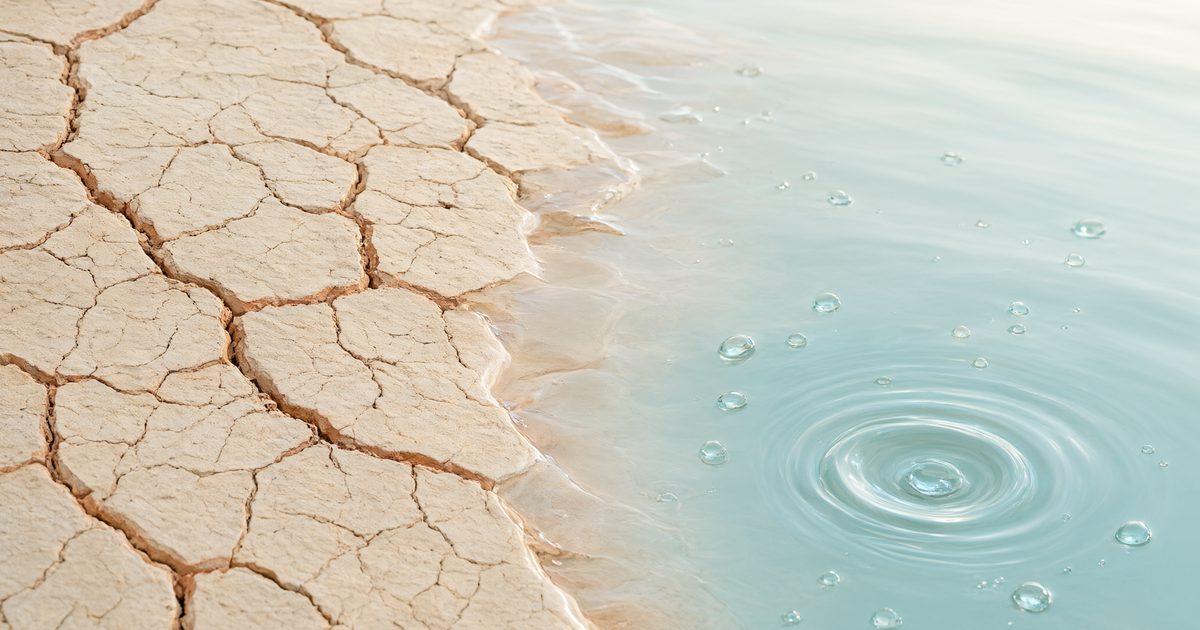
Tropical skin barrier repair Phuket — cracked-to-dewy texture representing recovery after sun and salt exposure

Doctor-Led Care

Every consultation with Dr. Kanikar Seawthaweesin, since 2008.

Conservative Protocols

Minimum effective doses. Natural results, no over-treatment.

FDA-Approved Only

Genuine, registered products and devices. Full transparency.

The Hidden Damage Tropical Climates Inflict on Your Skin

Most people returning from tropical holidays notice their skin feels different – tight, dull, reactive, or congested. This is not simply dehydration. It is measurable barrier dysfunction caused by a combination of factors unique to hot, humid, coastal environments. Whether you have spent two weeks at a beach resort or several months in a tropical climate, the physiological damage follows the same pattern.

Understanding this pattern is the first step toward effective recovery.

The Four Primary Stressors of Tropical Environments

1. Chronic UV Exposure

Even with diligent sunscreen application, cumulative UVA damage penetrates the skin during tropical holidays. Standard sunscreens primarily block UVB (burning rays), while UVA (ageing rays) penetrate clouds, windows, and most SPF formulations. In tropical destinations near the equator, UV index frequently exceeds 11 – classified as extreme. Over a two-week holiday, this cumulative exposure triggers DNA damage in keratinocytes, activates matrix metalloproteinases (enzymes that degrade collagen), and initiates the inflammatory cascade that compromises barrier integrity. The damage is often invisible during the holiday itself, manifesting as dehydration, sensitivity, and pigmentation changes 2-6 weeks after return.

2. Heat-Induced Inflammation

Prolonged exposure to temperatures above 30°C triggers a chronic low-grade inflammatory response in the skin. This heat stress activates matrix metalloproteinases (MMPs) – enzymes that break down collagen and elastin fibres in the dermis. Unlike UV damage, heat-induced collagen degradation occurs even in the absence of sunburn. Research demonstrates that skin exposed to 40°C for just 30 minutes shows measurable increases in MMP-1 expression, the enzyme most responsible for collagen breakdown. For holidaymakers spending 8-10 hours daily in hot environments, this represents a significant cumulative insult to the skin’s structural proteins. The result is accelerated loss of firmness and elasticity that persists long after the holiday ends.

3. Salt Water and Chlorinated Pools

Ocean swimming and pool exposure represent a dual assault on the skin barrier. Sea salt is hygroscopic – it draws moisture from the skin and disrupts the acid mantle (the thin protective film at pH 4.5-5.5 that inhibits bacterial colonisation and prevents water loss). Chlorinated pool water is equally damaging: chlorine oxidises the lipid components of the stratum corneum, stripping the natural ceramides that hold barrier cells together. Repeated exposure over a holiday creates cumulative lipid depletion. The skin compensates by increasing sebum production, leading to the paradoxical combination of an oily surface with underlying dehydration – a hallmark of barrier compromise that many travellers mistake for naturally oily skin.

4. Humidity-Driven Sebum Disruption

High humidity environments (70%+ relative humidity) create a unique challenge for skin homeostasis. The skin’s sebaceous glands respond to humidity by increasing sebum output, while the barrier’s water-holding capacity remains unchanged. This creates a surface that appears oily but is fundamentally dehydrated at the cellular level. The excess sebum mixes with sweat, dead skin cells, and environmental pollutants to create an occlusive film that blocks pores and triggers inflammatory breakouts. Many travellers experience their first adult acne episodes during tropical holidays – not because their skin type has changed, but because the barrier has been overwhelmed by environmental conditions it was not designed to handle.

Understanding the Skin Barrier: Your First Line of Defence

The skin barrier is not a metaphor. It is a measurable, physical structure: the stratum corneum, composed of 15-20 layers of flattened corneocytes (dead skin cells) embedded in a lipid matrix of ceramides, cholesterol, and free fatty acids. This brick-and-mortar architecture serves three critical functions:

First, it prevents transepidermal water loss (TEWL). A healthy barrier retains approximately 99% of the water that reaches it from the dermis below. When the barrier is compromised, TEWL increases dramatically – the skin loses water faster than it can be replenished, resulting in the tight, parched sensation that characterises post-holiday dehydration.

Second, it blocks external irritants. The lipid matrix prevents allergens, pollutants, and microorganisms from penetrating into the living layers of the epidermis. A damaged barrier allows these irritants to reach immune cells in the deeper skin, triggering inflammatory responses that manifest as redness, stinging, and reactive breakouts.

Third, it maintains the acid mantle. The skin’s surface pH of 4.5-5.5 is maintained by the barrier’s lipid composition and sweat gland secretions. This acidic environment inhibits the growth of pathogenic bacteria, supports the activity of lipid-processing enzymes, and maintains the structural integrity of the corneocyte layers. When the acid mantle is disrupted (by salt water, chlorine, or alkaline cleansers), the skin becomes vulnerable to bacterial colonisation and inflammatory conditions.

The Signs of Barrier Dysfunction

After tropical exposure, barrier dysfunction presents with a predictable constellation of symptoms: tightness (especially after cleansing), visible flaking or roughness, increased sensitivity to products that were previously well-tolerated, reactive redness, and a paradoxical combination of oiliness with underlying dehydration. Many patients also report that their skin looks dull or tired – this reflects the accumulation of dead corneocytes that cannot be properly shed because the enzymes responsible for desquamation require adequate hydration to function.

Why Barrier Damage Accelerates Visible Ageing

The connection between barrier compromise and accelerated ageing is direct and measurable. A damaged barrier allows inflammatory mediators to reach the dermis, where they activate the same MMPs triggered by heat and UV exposure. This creates a feedback loop: barrier damage leads to inflammation, which degrades collagen, which further weakens the structural support for the barrier above. Research published in the British Journal of Dermatology demonstrates that individuals with chronically elevated TEWL show collagen degradation rates 2-3 times higher than those with intact barriers. In practical terms, unaddressed barrier damage from a tropical holiday can accelerate biological skin ageing by months to years, depending on the severity and duration of exposure.

Medical-Grade Barrier Restoration: Beyond Moisturisers

Most over-the-counter moisturisers address only the surface symptoms of barrier damage. They contain occlusive ingredients (petrolatum, dimethicone, mineral oil) that form a temporary seal over the skin, reducing water loss without actually repairing the underlying lipid architecture. This approach is analogous to placing a bandage over a wound without treating the injury beneath.

Effective barrier repair requires the delivery of specific lipids – ceramides, cholesterol, and free fatty acids in a 3:1:1 ratio – to the correct layers of the stratum corneum. This cannot be achieved with surface-level products. Medical-grade restoration protocols combine in-clinic treatments that deliver active compounds to the dermal level with prescribed topical regimens that rebuild the barrier from the surface down.

Profhilo: Deep Hydration and Bio-Remodeling

Profhilo is a high-concentration hyaluronic acid (64mg/2ml) formulation with NAHYCO hybrid technology that creates cooperative bonds between high and low molecular weight HA chains. Unlike traditional dermal fillers, Profhilo does not add volume. Instead, it spreads through the dermal tissue after injection at five specific Bio Aesthetic Points per side of the face, delivering sustained hydration while stimulating four types of collagen (I, III, IV, VII) and elastin production. For post-holiday barrier damage, Profhilo addresses the fundamental dehydration at the dermal level while triggering the fibroblast activity necessary for barrier repair. Results are visible within 2-4 weeks, with optimal outcomes after two sessions spaced four weeks apart.

Skin Booster Protocols: Targeted Hyaluronic Acid Delivery

Skin boosters deliver non-crosslinked hyaluronic acid directly into the superficial to mid-dermis through multiple micro-injections. Unlike Profhilo’s spreading mechanism, skin boosters create a reservoir of hydration at the precise depth where barrier repair is needed. The HA attracts and retains water molecules, creating an environment conducive to ceramide synthesis and corneocyte regeneration. Protocols typically involve 3 sessions at 2-3 week intervals, with maintenance every 4-6 months.

LED Therapy: Inflammation Reduction and Barrier Support

Medical-grade LED therapy uses specific wavelengths to modulate cellular activity. Red light (633nm) penetrates to the dermal level and stimulates fibroblast proliferation and collagen synthesis. Near-infrared light (830nm) reduces inflammatory mediators and supports mitochondrial function in damaged cells. For post-holiday barrier recovery, LED therapy serves as an adjunct to injectable treatments – reducing the inflammatory component of barrier damage while supporting the cellular processes necessary for repair. Protocols typically involve 8-12 sessions over 4-6 weeks, with each session lasting approximately 20 minutes.

Medical-Grade Topical Protocols

Prescription-strength topical regimens complete the barrier restoration protocol. These formulations deliver ceramides, niacinamide (vitamin B3), and essential fatty acids at therapeutic concentrations that cannot be achieved with over-the-counter products. Niacinamide at 4-5% concentration has been demonstrated to increase ceramide synthesis by up to 70% while simultaneously reducing TEWL and inflammatory markers. Combined with a ceramide-dominant moisturiser and a gentle, pH-appropriate cleanser, this topical protocol rebuilds the barrier architecture over 4-8 weeks.

The Holiday Recovery Protocol: 3-Session Skin Reset

For international travellers returning from tropical holidays, a structured three-session protocol provides comprehensive barrier restoration while preventing transient damage from becoming permanent.

Session 1: Deep Hydration and Barrier Assessment (Within 2 Weeks of Return)

The first session focuses on clinical assessment and immediate hydration. Skin analysis measures TEWL, hydration levels, lipid content, and pH to quantify the extent of barrier damage. Based on these measurements, a treatment plan is designed. The session typically includes a hydrating treatment (skin booster or Profhilo) combined with LED therapy to address acute inflammation. A prescribed topical regimen is initiated to begin surface-level barrier repair.

Ready to Begin Your Treatment Journey?

Book a consultation with Dr. Kanikar Seawthaweesin at Healthy Skin Beauty Center, Phuket Town. Doctor-led since 2008, with no sales consultants.

Session 2: Collagen Biostimulation (4 Weeks After Session 1)

By week four, the initial hydration treatment has taken effect and the topical regimen has begun rebuilding surface lipids. Session two introduces a collagen biostimulation treatment – typically Profhilo or an equivalent bio-remodelling protocol – to address the deeper structural damage caused by heat and UV exposure. This treatment activates fibroblasts to produce new collagen and elastin, counteracting the MMP-driven degradation that occurred during the holiday. The timing is deliberate: fibroblast activation is most effective when the barrier is partially restored and inflammatory markers have decreased.

Session 3: Assessment and Maintenance Protocol Design (8 Weeks After Session 1)

The final session involves comprehensive reassessment of barrier function, hydration, and collagen density. Based on the results, a long-term maintenance protocol is designed – tailored to the patient’s travel patterns, skin type, and environmental exposure. This may include scheduled biostimulation treatments, seasonal topical adjustments, and specific pre-travel and post-travel protocols for future holidays.

Why Timing Matters

Early intervention prevents transient damage from becoming permanent. Research demonstrates that barrier damage left untreated for more than three months triggers compensatory mechanisms – including chronic inflammation and altered sebum production – that become self-sustaining and significantly more difficult to reverse. The three-session protocol is designed to interrupt this cascade at the earliest possible stage, when the skin’s regenerative capacity is still intact.

Specific Concerns and Targeted Solutions

Post-Holiday Dehydration

Cause: Transepidermal water loss resulting from barrier lipid depletion. The damaged stratum corneum cannot retain water at normal rates, leading to chronic dehydration that persists despite increased water intake and moisturiser application.

Solution: Profhilo combined with a medical-grade hydration protocol addresses dehydration at the dermal level while the prescribed topical regimen rebuilds surface lipids. The combination restores the skin’s water-holding capacity from both directions.

Timeline: Visible improvement typically occurs within 2-4 weeks of initiating treatment. Full barrier restoration requires 6-8 weeks.

Heat-Induced Pigmentation

Cause: Melanocyte activation triggered by both UV radiation and heat. The combination stimulates tyrosinase activity (the enzyme responsible for melanin production), leading to hyperpigmentation that may appear as diffuse darkening, melasma-like patches, or post-inflammatory marks from holiday breakouts.

Solution: A combination approach using topical depigmentation agents (hydroquinone, azelaic acid, or tranexamic acid at prescription concentrations) alongside energy-based treatments such as IPL or fractional laser. The energy-based component targets established pigment while the topical protocol suppresses ongoing melanocyte activity.

Timeline: 3-6 sessions over 3-6 months for visible reduction. Pigmentation requires patience – aggressive treatment can trigger rebound hyperpigmentation.

Salt and Pool-Damaged Skin

Cause: Lipid stripping from repeated exposure to salt water and chlorinated pools, combined with acid mantle disruption. The result is skin that feels tight, appears flaky, and is vulnerable to irritation from previously tolerated products.

Solution: Ceramide restoration through prescribed topical protocols combined with in-clinic barrier repair treatments (skin boosters or LED therapy). The topical regimen delivers the specific lipids depleted by salt and chlorine exposure, while in-clinic treatments accelerate the repair process at the cellular level.

Timeline: 4-8 weeks for full barrier recovery, depending on the severity of lipid depletion.

Humidity-Triggered Congestion

Cause: Excess sebum production combined with sweat, dead skin cells, and bacterial proliferation in clogged pores. This is not traditional acne – it is a barrier-mediated congestion that will not respond to standard acne treatments.

Solution: Medical-grade cleansing protocols combined with oil-control topical regimens that reduce sebum output without further damaging the barrier. The approach treats the underlying barrier dysfunction rather than suppressing symptoms with drying agents that would worsen the condition.

Timeline: 2-4 weeks for clearance of congestion, with ongoing maintenance to prevent recurrence.

Long-Term Maintenance for Frequent Tropical Travellers

For individuals who travel to tropical destinations two or more times per year, a structured maintenance protocol prevents cumulative damage from compounding across successive holidays.

Pre-Trip Preparation: Barrier Strengthening (4 Weeks Before Travel)

Initiating a barrier-strengthening protocol four weeks before departure creates a more resilient skin that better withstands environmental stressors. This typically involves a Profhilo or skin booster treatment combined with a ceramide-dominant topical regimen. The goal is to maximise lipid content and hydration reserves before exposure begins.

During-Trip Protection: SPF and Antioxidant Protocols

While abroad, protection goes beyond sunscreen. A specific SPF protocol using broad-spectrum mineral formulations (zinc oxide-based, SPF 50+) applied every two hours during sun exposure, combined with topical antioxidants (vitamin C, vitamin E, ferulic acid) that neutralise free radicals generated by UV and heat. Reapplication discipline is critical – most sun damage occurs during the hours when reapplication is skipped.

Post-Trip Recovery: Structured Restoration (Within 2 Weeks of Return)

The same three-session protocol described above, initiated within two weeks of return. Early intervention prevents the inflammatory cascade from becoming self-sustaining.

Annual Deep Treatments: Biostimulation Cycles

For frequent travellers, annual biostimulation cycles (Profhilo or equivalent) counteract the cumulative collagen degradation that occurs despite protective measures. These cycles are scheduled during the longest gap between trips and serve as a reset for the skin’s regenerative capacity.

Why Early Intervention Matters

The economics and biology of tropical skin damage both favour early intervention. Transient barrier damage – the kind that appears after a single holiday – becomes permanent if left untreated for three or more months. The skin’s compensatory mechanisms (chronic inflammation, altered sebum production, accelerated MMP activity) become self-sustaining and require significantly more intensive treatment to reverse.

Cumulative tropical exposure accelerates biological skin ageing by an estimated 2-5 years per decade of exposure, depending on protection practices and recovery protocols. This is not theoretical – it is measurable through collagen density assessments, TEWL measurements, and elastometry.

From a cost perspective, prevention is significantly less expensive than correction. A three-session post-holiday recovery protocol costs a fraction of the corrective treatment packages required to address years of unmanaged tropical damage. Annual maintenance protocols – typically two Profhilo sessions and a prescribed topical regimen – represent a modest investment that preserves skin quality across decades of tropical travel.

Who This Protocol Is For

This protocol is designed for international travellers returning from beach and tropical holidays, people who live in or frequently visit hot, humid climates, anyone noticing persistent skin changes after tropical exposure, and those seeking medical-grade restoration rather than cosmetic quick-fixes. It addresses the specific physiological damage caused by tropical environments – not general skincare concerns – and is most effective when initiated within two weeks of exposure ending.

For individuals who recognise their skin in the patterns described above, a clinical assessment provides the quantitative baseline necessary to design an effective recovery protocol. The measurements are objective, the treatments are evidence-based, and the outcomes are predictable when protocols are followed with appropriate timing and consistency.

Your Skin Deserves Expert Care

Healthy Skin Beauty Center is a doctor-led aesthetic clinic in Phuket Town, operating since 2008. Every consultation is with Dr. Kanikar Seawthaweesin – no sales consultants, no delegated assessments.

Doctor-led care in Phuket TownBook a Consultation