Table of Contents
Ever feel sluggish after a big plate of Pad Thai, even in beautiful Phuket? Or maybe you’re wondering why your energy levels crash mid-afternoon after a seemingly healthy meal? The culprit might be hiding in plain sight: refined carbohydrates. While carbs are an essential part of our diet, not all carbs are created equal. Understanding the difference between whole grains and refined carbs can significantly impact your energy levels, weight management, and overall health.
Making the smart carb choice can help you feel your best, whether you’re exploring the vibrant streets of Phuket Town or relaxing on Patong Beach. This post will break down the key differences between these two types of carbohydrates, empowering you to make informed decisions for a healthier, more energized you.
Whole Grains vs. Refined Carbs: Making Smarter Dietary Choices
I. Unveiling the Power of Whole Grains
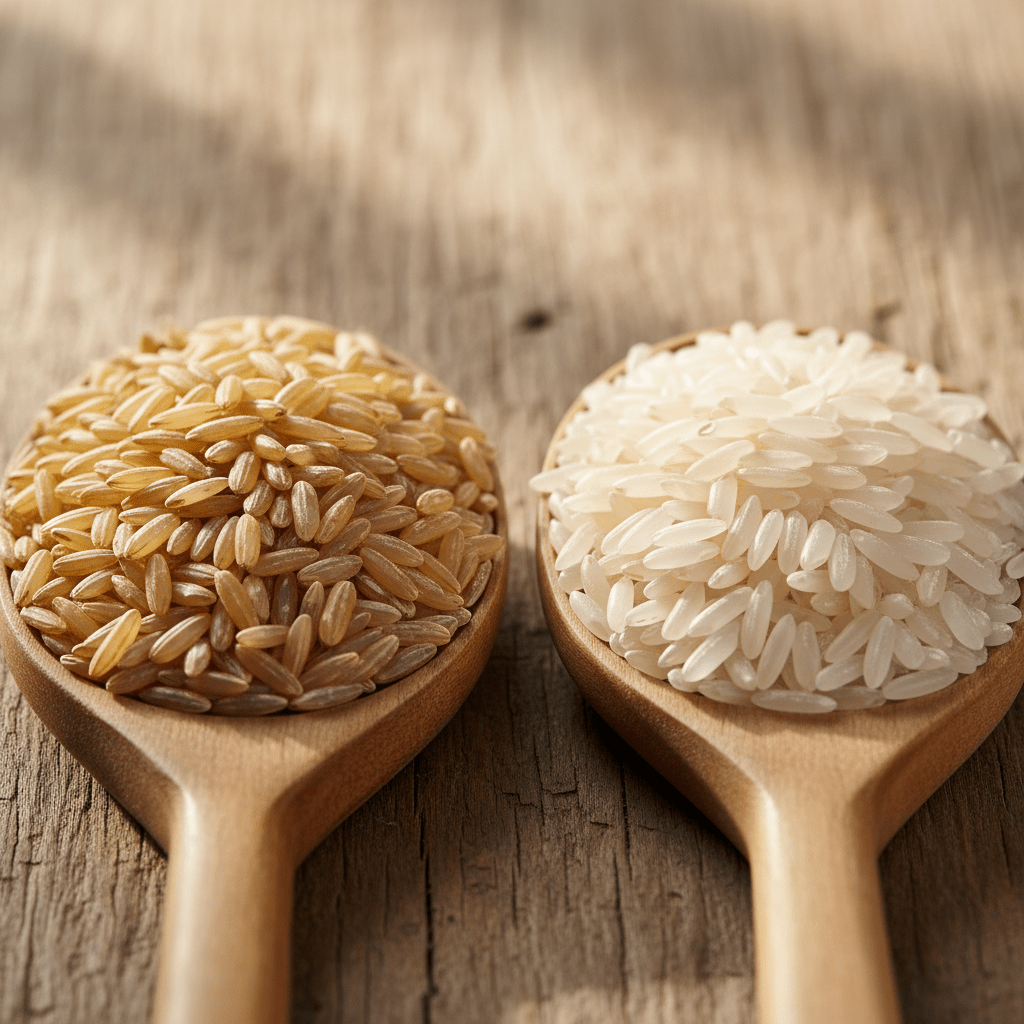
Whole grains are the superheroes of the carbohydrate world. They contain the entire grain kernel: the bran, germ, and endosperm. This trifecta of goodness provides a rich source of fiber, vitamins, minerals, and antioxidants. Think of brown rice, quinoa, oats, and whole-wheat bread as your allies in maintaining steady blood sugar levels and promoting healthy digestion.
Fiber, abundant in whole grains, acts like a sponge, slowing down the absorption of sugar into the bloodstream. This prevents those energy spikes and crashes that leave you feeling drained. Plus, the nutrients packed into whole grains contribute to a stronger immune system and a reduced risk of chronic diseases. Imagine enjoying a delicious bowl of brown rice in Phuket, knowing you’re fueling your body with sustained energy for all your island adventures.
II. Refined Carbs: The Not-So-Sweet Truth
Refined carbohydrates, on the other hand, have been stripped of their nutritional superpowers. During processing, the bran and germ are removed, leaving behind the starchy endosperm. This process significantly reduces the fiber, vitamin, and mineral content, transforming nutrient-rich grains into less beneficial options. White rice, white bread, pastries, and sugary drinks fall into this category.
While these foods might provide a quick burst of energy, they often lead to rapid blood sugar fluctuations, contributing to energy crashes, increased cravings, and potential weight gain. Choosing whole grains over refined carbs, even in your favorite Thai dishes, can make a significant difference in how you feel.

III. Digesting the Difference: Fiber’s Role
So, we’ve established that whole grains retain all three parts of the grain kernel: the bran, germ, and endosperm. Refined grains, on the other hand, have been processed to remove the bran and germ, leaving only the starchy endosperm. This process strips away a significant amount of the grain’s nutritional value, particularly its fiber content.
Fiber is crucial for digestive health. It adds bulk to your stool, promoting regularity and preventing constipation. Think of it as nature’s broom, sweeping clean your digestive tract. But fiber does more than just keep things moving. It also helps regulate blood sugar levels, preventing those energy crashes that can leave you feeling sluggish and craving more sugary treats.
Furthermore, a high-fiber diet can contribute to feelings of fullness, which can be a great ally in managing weight. By choosing whole grains over refined carbs, you’re essentially choosing a food that actively supports your digestive system and overall well-being.
IV. Beyond the Bowl: Whole Grains in Everyday Life
Whole grains aren’t just limited to breakfast cereals and brown rice. There’s a whole world of delicious and versatile whole grains out there waiting to be explored! Quinoa, a complete protein and nutritional powerhouse, can be used in salads, as a substitute for rice, or even as a base for breakfast bowls.
Ancient grains like spelt and farro offer nutty flavors and chewy textures that add depth to soups and stews. And don’t forget about whole wheat pasta and breads, readily available alternatives to their refined counterparts. Making the switch to whole grains doesn’t require a complete dietary overhaul.
It’s about making small, sustainable changes, like swapping white rice for brown, or choosing whole-grain bread for your sandwich. Experimenting with different grains can be a fun way to discover new flavors and textures while boosting your nutrient intake.
V. The Ripple Effect: Long-Term Benefits
The benefits of choosing whole grains over refined carbs extend far beyond just digestive health. Studies have shown a strong correlation between diets rich in whole grains and a reduced risk of chronic diseases such as type 2 diabetes, heart disease, and certain types of cancer. By consistently choosing whole grains, you’re investing in your long-term health and well-being.
These positive effects are largely attributed to the combined action of fiber, vitamins, minerals, and antioxidants present in whole grains. These nutrients work synergistically to support various bodily functions, from regulating blood pressure to protecting against cellular damage. Making whole grains a regular part of your diet is a proactive step towards a healthier and more vibrant future.
VI. Making the Switch: Practical Tips for Choosing Whole Grains
Swapping refined carbs for whole grains doesn’t have to be overwhelming. Start small and gradually increase your intake. Try substituting brown rice for white rice, whole wheat bread for white bread, or whole wheat pasta for regular pasta. Explore ancient grains like quinoa, farro, and spelt. Look for “whole grain” as the first ingredient on food labels and be mindful of added sugars.
Adding more whole grains to your diet can be as simple as sprinkling oats on your yogurt, enjoying a bowl of whole-grain cereal, or incorporating barley into your soups and stews. With a little effort, you can easily reap the numerous health benefits of whole grains.
Conclusion
Choosing whole grains over refined carbs is a significant step toward a healthier and more vibrant you. By understanding the key differences between these two types of carbohydrates and their impact on your body, you can make informed food choices that support your overall well-being.
From improved digestion and sustained energy levels to reduced risk of chronic diseases, the benefits of whole grains are undeniable. While transitioning to a whole grain-rich diet might take some adjustment, the long-term rewards for your health are well worth it.
Embrace the power of whole grains and experience the positive impact they can have on your life. Start small, experiment with different grains, and enjoy the journey towards a healthier you. What are some of your favorite ways to incorporate whole grains into your meals? Share your tips in the comments below!
Have questions or want to learn more? We’d love to hear from you!