
Skin tightening is a hot topic, but with so many options and claims, it’s hard to know what really works. This article cuts through the hype to deliver evidence-based information on the most effective treatments and techniques. We’ll explore the science, the solutions, and help you make informed decisions for firmer, more youthful skin.
The Truth About Skin Tightening: What Really Works?
I. Understanding Skin Laxity
To understand skin tightening, we first need to understand why skin loses its firmness in the first place. This loss of elasticity, known as skin laxity, happens for several reasons:
- Aging: As we age, our bodies produce less collagen and elastin – the proteins that give skin its structure and bounce. This leads to thinner, weaker skin that’s more prone to sagging and wrinkles.
- Sun Damage: UV radiation from the sun breaks down collagen and elastin fibers, accelerating the aging process and causing wrinkles, fine lines, and uneven skin tone.
- Weight Loss: Significant weight loss can leave behind stretched-out skin that struggles to regain its original shape.
- Genetics: Some people are simply more prone to skin laxity due to their genetic makeup.
Skin laxity can manifest in several ways, including:
- Wrinkles: Fine lines and deeper wrinkles, especially around the eyes, mouth, and forehead.
- Sagging: Loose skin on the face, neck, jowls, and body.
- Loss of Definition: Less defined facial contours, such as a less prominent jawline or cheekbones.
Understanding the causes of skin laxity helps us appreciate why certain treatments work better than others and why a multi-faceted approach is often the most effective.
II. Non-Surgical Skin Tightening Treatments
Let’s explore the exciting world of non-surgical skin tightening treatments! These procedures offer a less invasive alternative to procedure, with varying degrees of effectiveness and downtime.
1. Ultrasound (e.g., Ultherapy)

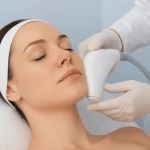
- How it works: Ultherapy uses focused ultrasound energy to bypass the surface of the skin and heat the underlying tissues. This triggers a natural wound-healing response, stimulating collagen production and gradually tightening the skin.
- Areas treated: Primarily used for the face, neck, and décolletage (upper chest).
- Pros: Non-invasive, no incisions or needles, natural-looking results that can last for several years, minimal downtime.
- Cons: Can be uncomfortable or even painful for some, may require multiple sessions to achieve optimal results, not suitable for all skin types and laxity levels.
2. Radiofrequency

- How it works: Radiofrequency energy heats the deep layers of the skin, causing existing collagen fibers to contract and stimulating new collagen growth. This leads to tighter, firmer skin over time.
- Areas treated: Can be used on both the face and body.
- Pros: Non-invasive, generally comfortable, can also improve skin texture and reduce the appearance of cellulite.
- Cons: Results can be subtle and may require multiple sessions, not as effective for advanced skin laxity.
3. Laser Treatments (e.g., Fraxel, CO2 lasers)
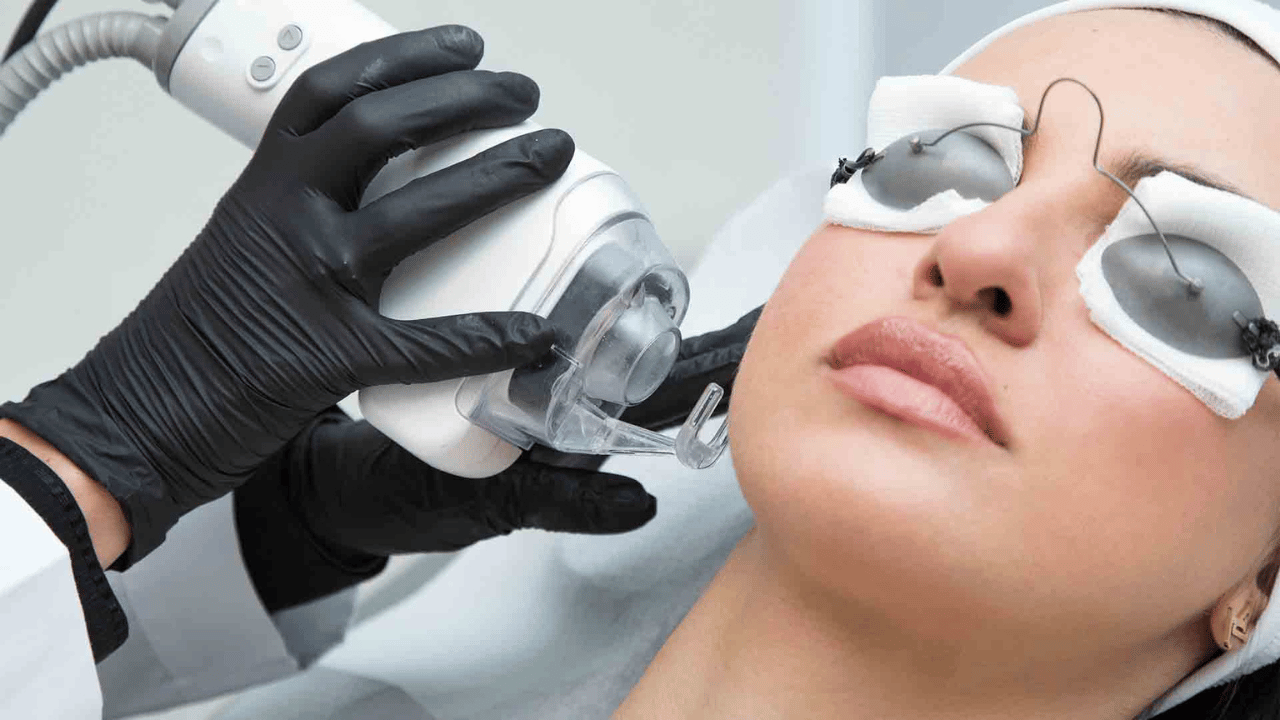
- How they work: Different types of lasers are used to resurface the skin, removing damaged outer layers and stimulating collagen production in the deeper layers.
- Areas treated: Commonly used on the face, neck, and hands.
- Pros: Can address multiple skin concerns, including wrinkles, scars, and pigmentation irregularities, often provides noticeable and long-lasting results.
- Cons: Downtime varies depending on the type of laser used, potential for side effects like redness, swelling, and changes in pigmentation, can be expensive.
4. Microneedling (with or without radiofrequency)

- How it works: Microneedling involves using tiny needles to create micro-injuries in the skin, triggering the body’s natural healing process and boosting collagen production. Adding radiofrequency energy to the treatment can enhance results by heating deeper tissues.
- Areas treated: Can be used on the face and body.
- Pros: Minimally invasive, can improve skin texture, tone, and firmness, relatively affordable.
- Cons: Some downtime is involved (redness and mild swelling), may not be suitable for all skin types, results may be gradual.
5. Other Non-Surgical Options
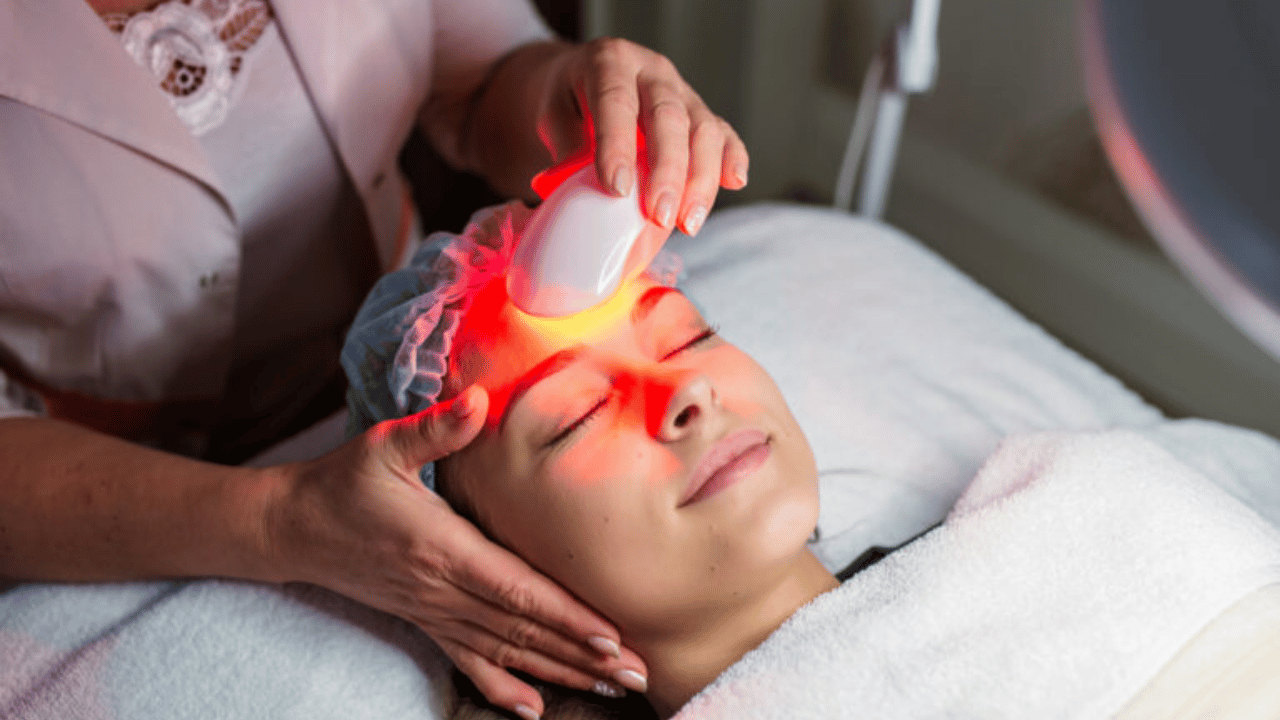
- Intense Pulsed Light (IPL): Uses broad-spectrum light to treat various skin concerns, including sun damage and age spots, which can indirectly improve skin firmness.
- Infrared Light Therapy: Uses infrared light to stimulate collagen production and improve skin elasticity.
It’s important to consult with a qualified dermatologist or plastic expert to determine which non-surgical skin tightening treatment is right for your individual needs and goals.
III. Surgical Skin Tightening Procedures
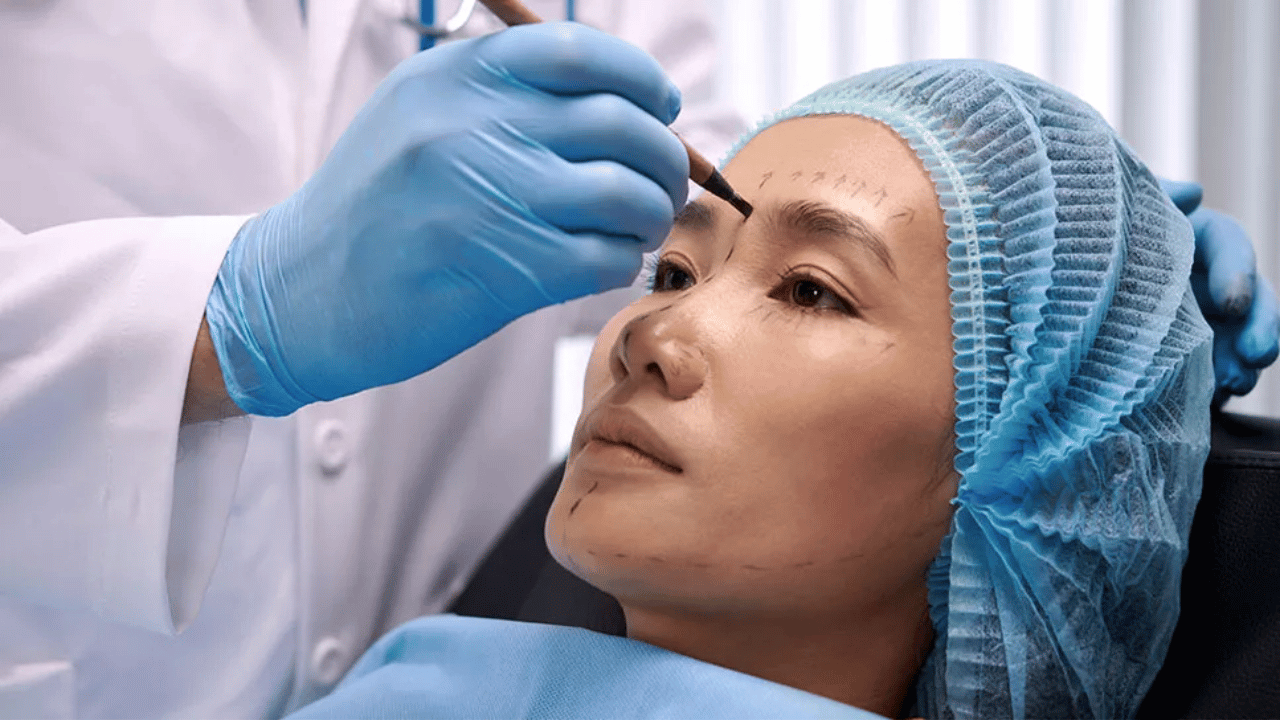
While non-surgical options are great for mild to moderate laxity, surgical procedures remain the gold standard for achieving dramatic and long-lasting skin tightening. However, it’s important to understand that procedure comes with higher risks, increased costs, and longer recovery periods.
Here’s a brief overview of some common surgical skin tightening procedures:
A. Facelift
- Traditional Facelift: This involves incisions around the hairline and ears to lift and reposition underlying muscles and tissues, removing excess skin for a smoother, more youthful facial appearance.
- Mini Facelift: A less invasive option with shorter incisions, ideal for those with early signs of aging or those seeking a less dramatic change.
B. Neck Lift
This procedure addresses sagging skin and muscle banding in the neck, creating a more defined and youthful neck contour.
Eyelid Procedure (Blepharoplasty)
- Upper Blepharoplasty: Removes excess skin and fat from the upper eyelids, addressing drooping eyelids and improving vision in some cases.
- Lower Blepharoplasty: Addresses under-eye bags and wrinkles, creating a more refreshed and youthful appearance.
C. Body Contouring Procedures
These procedures address loose skin and excess fat deposits on various areas of the body:
- Tummy Tuck (Abdominoplasty): Removes excess skin and fat from the abdomen, tightening abdominal muscles for a flatter, more toned stomach.
- Arm Lift (Brachioplasty): Removes excess skin and fat from the upper arms, creating a more toned and sculpted appearance.
- Thigh Lift: Addresses sagging skin on the inner or outer thighs, resulting in smoother, more contoured thighs.
Surgical procedures can significantly improve skin laxity, but they require careful consideration and consultation with a qualified plastic expert. Before making a decision, it’s essential to discuss your goals, expectations, and any potential risks.
IV. Topical Skin Tightening Products
While topical products alone won’t give you the same dramatic lift as procedures, they can play a valuable role in a comprehensive skin tightening strategy. Here are some key ingredients to look for:
1. Retinoids
- How they work: Retinoids, derived from vitamin A, are skincare powerhouses. They increase cell turnover, stimulate collagen production, and help improve skin elasticity. This can lead to a reduction in fine lines and wrinkles, and a firmer overall appearance.
2. Peptides
- How they work: Peptides are short chains of amino acids that act as building blocks for proteins like collagen and elastin. When applied topically, certain peptides can signal the skin to produce more of these essential proteins, leading to improved firmness and elasticity.
3. Antioxidants
- How they work: Antioxidants protect the skin from damage caused by free radicals, unstable molecules that contribute to aging. By neutralizing free radicals, antioxidants help preserve collagen and elastin, keeping the skin looking youthful and healthy. Some popular antioxidants to look for include vitamin C, vitamin E, and green tea extract.
4. Hyaluronic Acid
- How it works: Hyaluronic acid is a humectant, meaning it attracts and holds onto moisture. This plumps up the skin, making it look smoother and more hydrated. While it doesn’t directly tighten the skin, hydrated skin appears firmer and more youthful.
A Word of Caution
It’s important to have realistic expectations when using topical skin tightening products. While they can certainly improve the appearance of your skin and support collagen production, they won’t provide the same dramatic lifting effects as procedures like Ultherapy or a facelift.
However, incorporating these products into your skincare routine can help maintain and enhance the results of other treatments, and they can also play a preventative role in slowing down the aging process.
V. Lifestyle Factors for Healthy Skin

While treatments and products can certainly help tighten skin, don’t underestimate the power of lifestyle factors in maintaining a youthful complexion! Here’s how your daily habits can make a difference:
A. Sun Protection: Your Skin’s Best Friend
- Why it matters: UV radiation is a major culprit in premature aging, breaking down collagen and elastin, leading to wrinkles and sagging.
- What to do: Apply a broad-spectrum sunscreen with an SPF of 30 or higher every day, even on cloudy days. Reapply every two hours, especially if you’re sweating or swimming. Seek shade during peak sun hours, and consider wearing protective clothing like hats and sunglasses.
B. Healthy Diet: Eat Your Way to Firmer Skin
Why it matters: The foods you eat can impact your skin’s health and elasticity.
What to do: Load up on:
- Antioxidant-rich foods: Berries, leafy greens, and colorful vegetables protect against free radical damage.
- Collagen-boosting nutrients: Vitamin C (found in citrus fruits, bell peppers), zinc (found in nuts, seeds, legumes), and copper (found in shellfish, nuts) support collagen production.
- Healthy fats: Omega-3 fatty acids (found in fatty fish, flaxseeds) help keep skin hydrated and supple.
C. Hydration: Plump Up Your Skin from Within
- Why it matters: Dehydration can make skin look dull and less plump, emphasizing wrinkles and sagging.
- What to do: Drink plenty of water throughout the day. You can also boost hydration by consuming water-rich fruits and vegetables like watermelon and cucumber.
D. Smoking Cessation: A Must for Healthy Skin
- Why it matters: Smoking constricts blood vessels, reducing blood flow to the skin and depriving it of oxygen and nutrients. It also damages collagen and elastin, leading to premature wrinkles and sagging.
- What to do: If you smoke, quitting is one of the best things you can do for your skin (and overall health). Talk to your specialist about resources and support to help you quit.
By incorporating these healthy habits into your lifestyle, you can support your skin’s natural elasticity and maintain a more youthful appearance.
VI. Choosing the Right Skin Tightening Approach
With so many skin-tightening options available, how do you choose the right one for you? It’s a personal decision that depends on several factors:
A. Factors to Consider:
- Age: Your age and the extent of skin laxity will influence which treatments are most appropriate. Younger individuals with mild laxity may benefit from non-surgical options, while older individuals with more significant sagging may consider procedure.
- Skin type: Certain treatments may be more suitable for specific skin types. For example, laser treatments may not be ideal for those with darker skin tones due to the risk of pigmentation changes.
- Treatment area: The area you want to treat will also play a role in your decision. Non-surgical options are often preferred for the face and neck, while procedure may be more effective for larger areas of the body.
- Desired results: How dramatic of a change are you looking for? Non-surgical treatments typically provide subtle to moderate improvement, while procedure can offer more dramatic results.
- Budget: Skin tightening treatments can range significantly in price. It’s important to consider your budget and explore financing options if needed.
- Risk tolerance: Non-surgical treatments generally have lower risks and shorter recovery times compared to procedure. Consider your comfort level with potential side effects and downtime.
B. The Importance of a Consultation
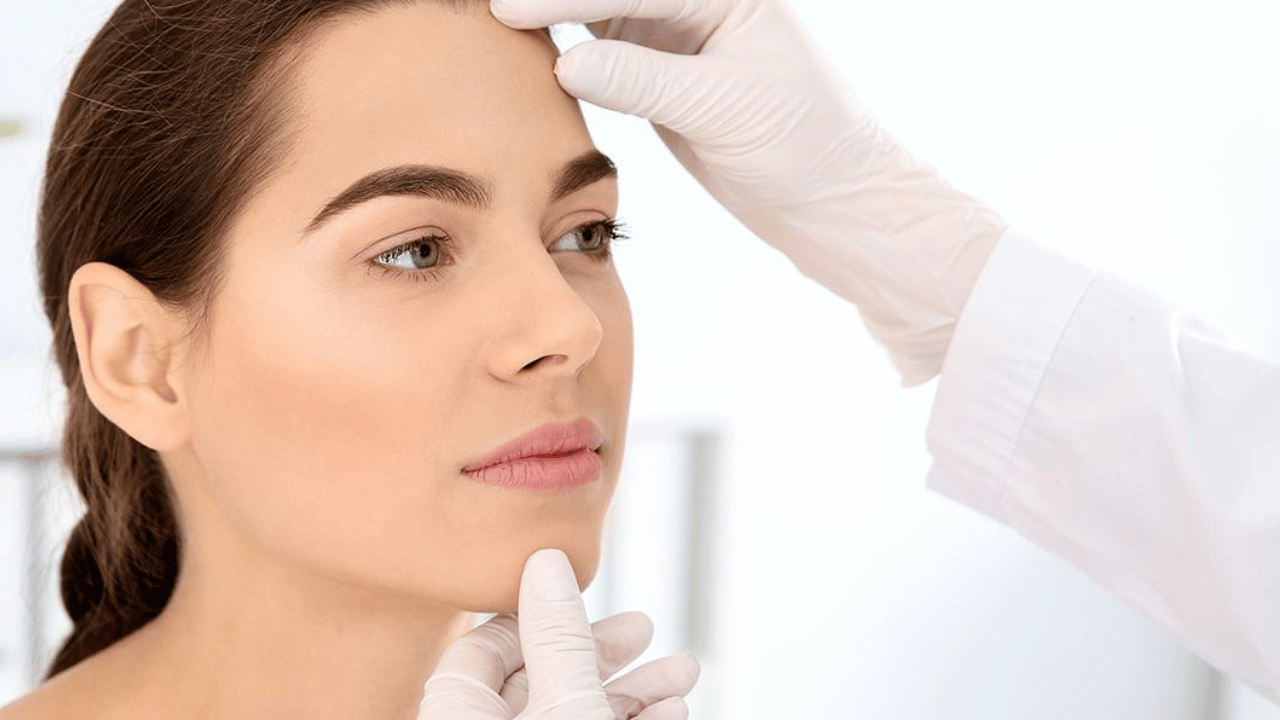
The best way to determine the right skin tightening approach for you is to consult with a qualified dermatologist or plastic expert. They can assess your skin, discuss your goals, and recommend the most appropriate treatments based on your individual needs.
During your consultation, be sure to ask questions about the procedure, the expected results, potential risks and side effects, and the recovery process. A qualified professional can provide you with the information and guidance you need to make an informed decision.
Conclusion: Your Skin Tightening Journey Starts at Healthy Skin and Beauty Treatment Center
As you’ve learned, the path to tighter, more youthful-looking skin is a personal one, with a diverse range of effective options available. From non-invasive treatments to surgical procedures, the key is understanding your skin, your needs, and your desired outcome.
Here at Healthy Skin and Beauty Treatment Center, we’re passionate about helping you achieve your skin goals. We offer a variety of treatments, including Ultherapy, a non-invasive procedure that uses focused ultrasound energy to stimulate collagen production for a natural lift.
We understand that choosing the right treatment can be overwhelming. That’s why we offer personalized consultations with our experienced professionals. We’ll take the time to assess your skin, discuss your concerns, and recommend the most suitable options for you.
Visit our website to learn more about Ultherapy and other skin-tightening treatments. We also invite you to schedule a consultation so we can create a personalized plan to help you achieve your skin goals.
We believe that everyone deserves to feel confident and radiant in their skin. Let us help you discover the best version of yourself. Please feel free to contact us for a booking, or may also connect to us on our WHATSAPP MOBILE No. +66 89 866 2545 Healthy Skin & Beauty Treatment Center!












Leave a Reply