
Acne, a persistent and often emotionally taxing skin condition, affects millions across the globe. It’s not simply a teenage rite of passage; adult acne is increasingly prevalent, challenging conventional notions about skin health. For those grappling with persistent breakouts, the quest for clear, radiant skin can feel like an endless battle. However, with advancements in dermatology and a deeper understanding of acne’s underlying mechanisms, effective solutions are within reach. This article aims to unveil these solutions, empowering you to transform your skin and regain your confidence.
Transform Your Skin: Effective Acne Solutions Revealed
I. Understanding the Enemy: The Multifaceted Nature of Acne
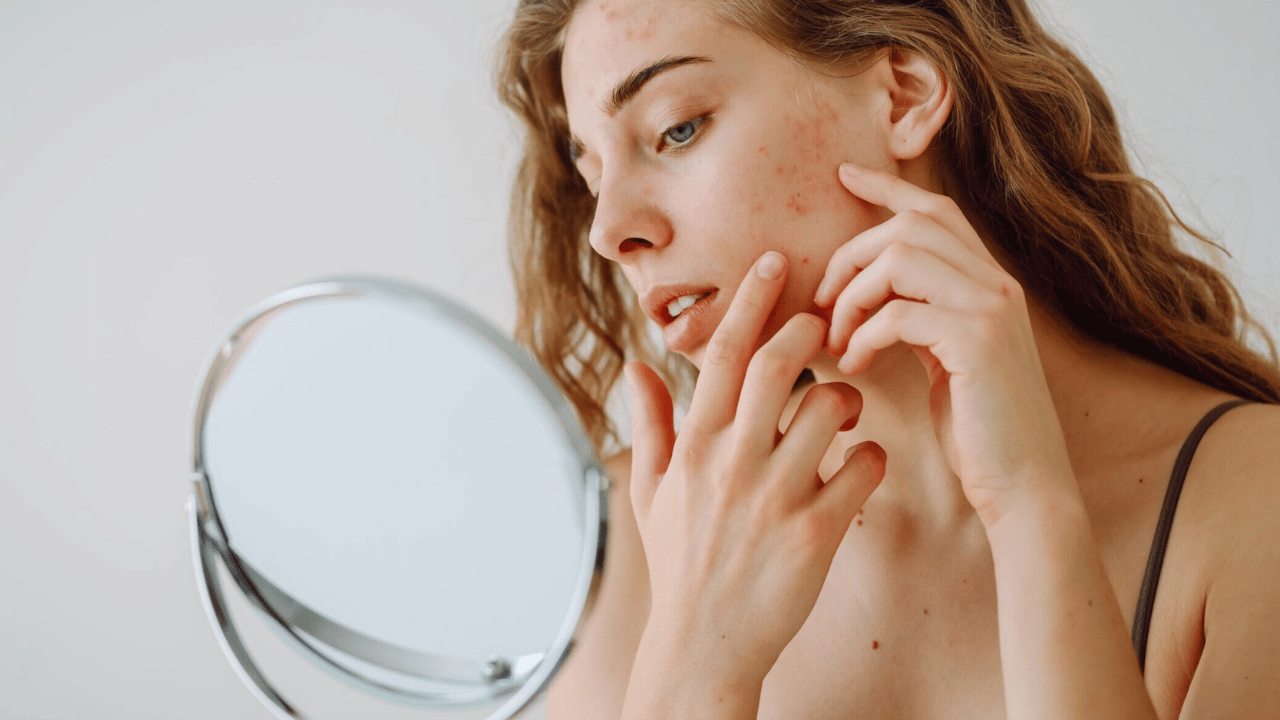
Before diving into solutions, it’s crucial to understand the complex interplay of factors that contribute to acne. Acne arises when hair follicles become clogged with sebum (oil) and dead skin cells. This creates a breeding ground for Cutibacterium acnes (formerly Propionibacterium acnes), a bacterium that thrives in these environments. The resulting inflammation manifests as various types of lesions, from mild whiteheads and blackheads to painful nodules and cysts.
Several factors exacerbate this process:
- Hormonal Imbalances: Androgens, hormones that surge during puberty, stimulate sebum production. Fluctuations related to menstruation, pregnancy, and certain cosmetic conditions can also trigger breakouts.
- Sebum Overproduction: Genetically predisposed individuals may produce excessive sebum, making them more susceptible to clogged pores.
- Abnormal Keratinization: The skin’s natural shedding process can malfunction, leading to a buildup of dead skin cells that clog follicles.
- Bacterial Proliferation: C. acnes bacteria, while a normal part of skin flora, can proliferate excessively in clogged pores, triggering inflammation.
- Inflammatory Response: The body’s immune system reacts to the presence of bacteria and clogged pores, resulting in redness, swelling, and pain.
- Lifestyle and Environmental Factors: Stress, certain medications, comedogenic cosmetics, and potentially dietary factors can also contribute to acne.
- Genetics: A predisposition to acne can be inherited.
II. The Arsenal of Acne Solutions: From Topical Treatments to Advanced Therapies
The journey to clear skin often involves a combination of approaches, tailored to individual needs and acne severity.
1. Topical Treatments: The First Line of Defense
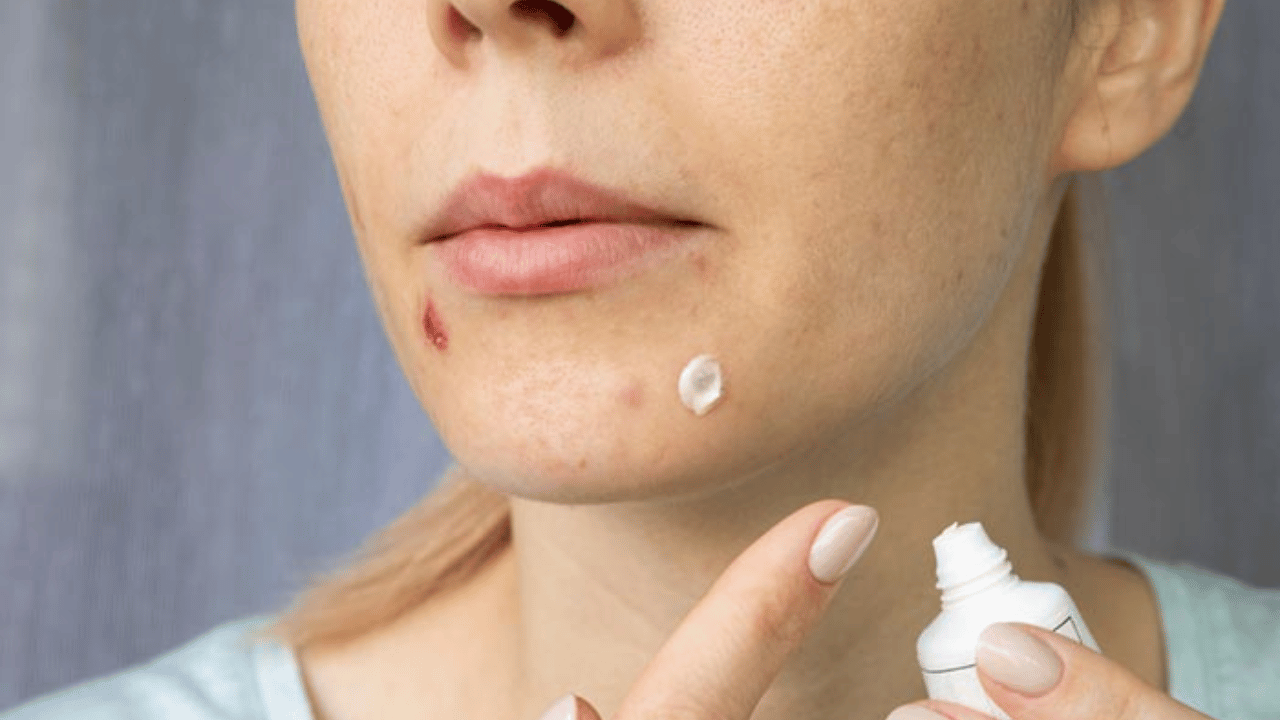
Topical medications are often the first line of defense against mild to moderate acne.
- Retinoids (Tretinoin, Adapalene, Tazarotene): These vitamin A derivatives are cornerstone treatments, promoting skin cell turnover and preventing clogged pores. They can be initially irritating, so a gradual introduction is essential.
- Benzoyl Peroxide: This potent antibacterial agent kills C. acnes bacteria and reduces inflammation. It can be drying and bleaching, so careful application is necessary.
- Salicylic Acid: A beta-hydroxy acid (BHA), salicylic acid exfoliates the skin, unclogs pores, and reduces inflammation. It’s particularly effective for blackheads and whiteheads.
- Topical Antibiotics (Clindamycin, Erythromycin): These antibiotics target C. acnes bacteria and reduce inflammation. However, they are often used in combination with benzoyl peroxide to prevent antibiotic resistance.
- Azelaic Acid: This naturally occurring acid has antibacterial and anti-inflammatory properties, and it can also lighten post-inflammatory hyperpigmentation (PIH).
- Dapsone: This topical medication is effective for inflammatory acne, especially in adult women.
2. Oral Medications: Systemic Solutions for Moderate to Severe Acne
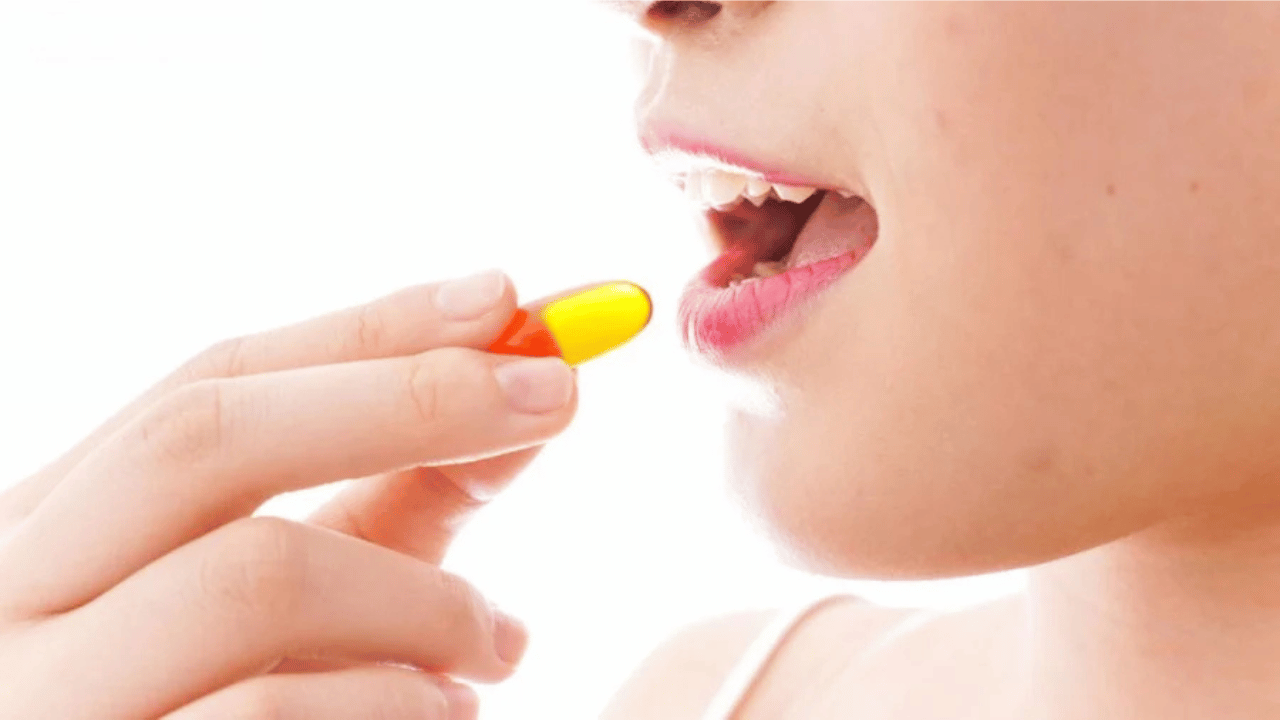
For moderate to severe acne, oral medications may be necessary.
- Oral Antibiotics (Doxycycline, Minocycline): These antibiotics reduce bacterial growth and inflammation. They are typically used for a limited time to minimize antibiotic resistance.
- Hormonal Therapies (Birth Control Pills, Spironolactone): These medications regulate hormone levels, reducing sebum production. They are particularly effective for women with hormonal acne.
- Isotretinoin (Accutane): This powerful vitamin A derivative is reserved for severe, recalcitrant acne. It dramatically reduces sebum production, but it requires close cosmetic supervision due to potential side effects.
3. Procedural Treatments: Targeted Interventions for Lasting Results
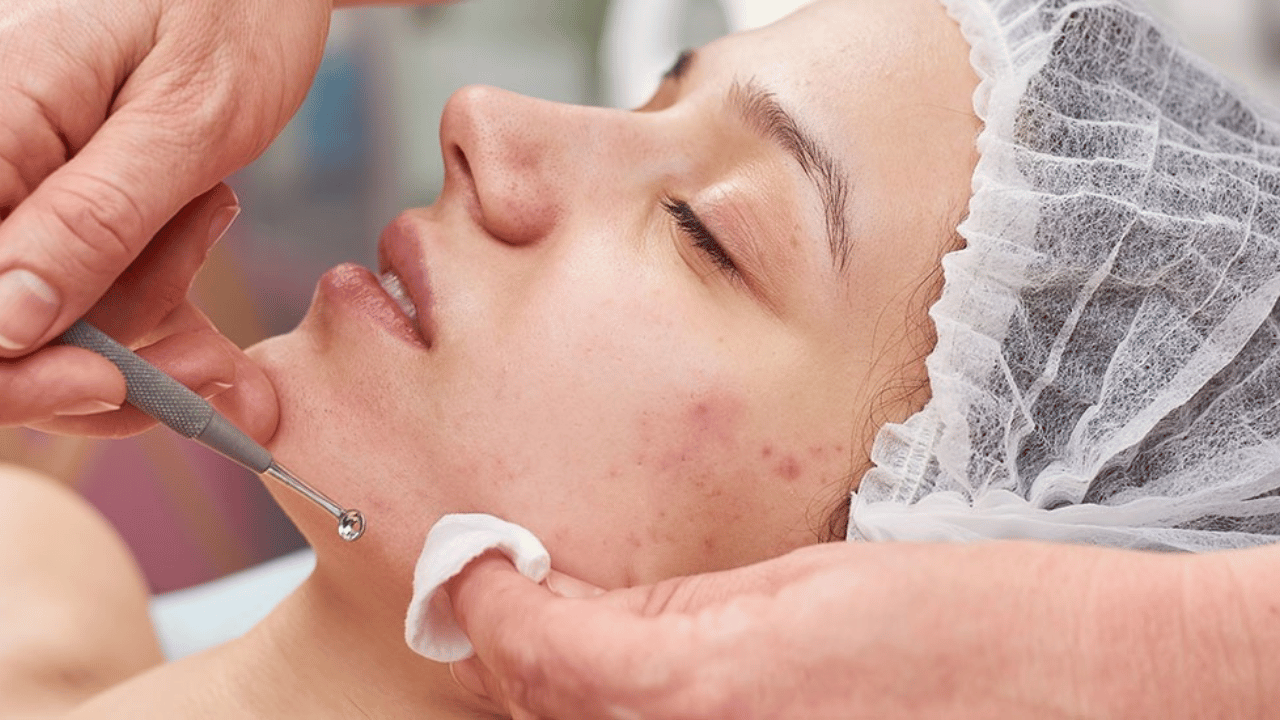
In-office procedures can complement topical and oral medications, offering targeted solutions for specific concerns.
- Chemical Peels: These treatments exfoliate the skin, unclog pores, and improve acne scarring. They are available in various strengths, depending on individual needs.
- Laser and Light Therapies: These therapies use specific wavelengths of light to target C. acnes bacteria, reduce inflammation, and improve acne scarring.
- Extraction: This procedure involves manually removing blackheads and whiteheads, providing immediate relief.
- Intralesional Corticosteroid Injections: These injections can quickly reduce inflammation in painful nodules and cysts.
4. Lifestyle and Skincare Practices: Supporting Skin Health from Within
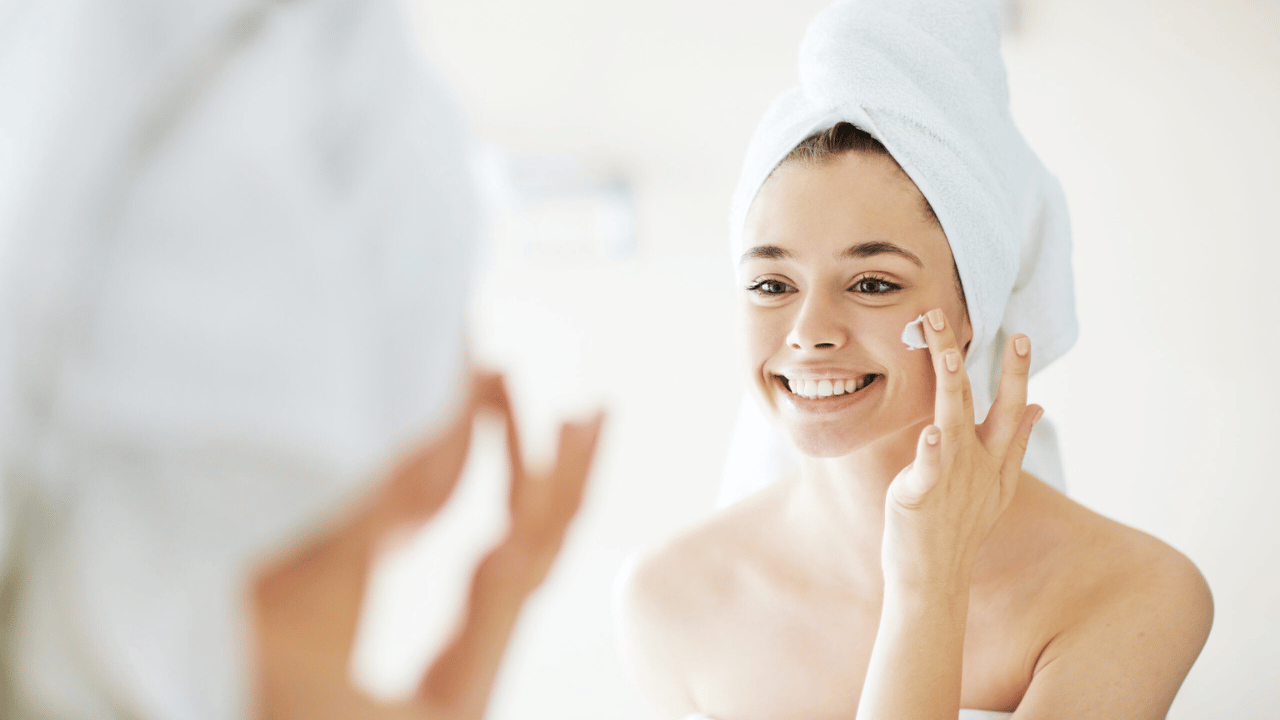
Beyond cosmetic interventions, lifestyle and skincare practices play a crucial role in managing acne.
- Gentle Cleansing: Wash your face twice daily with a mild, non-comedogenic cleanser. Avoid harsh scrubbing, which can irritate the skin.
- Non-Comedogenic Products: Use oil-free, non-comedogenic cosmetics and skincare products to minimize pore clogging.
- Moisturizing: Even oily skin needs hydration. Use a lightweight, oil-free moisturizer to maintain skin barrier function.
- Sun Protection: Sun exposure can worsen acne and PIH. Use a broad-spectrum sunscreen with an SPF of 30 or higher.
- Healthy Diet: While the link between diet and acne is still debated, some studies suggest that limiting high-glycemic-index foods and dairy may be beneficial for some individuals.
- Stress Management: Stress can exacerbate acne. Practice stress-reduction techniques such as exercise, yoga, or meditation.
- Avoid Picking or Squeezing: This can worsen inflammation and lead to scarring.
III. Navigating the Journey: Patience and Professional Guidance
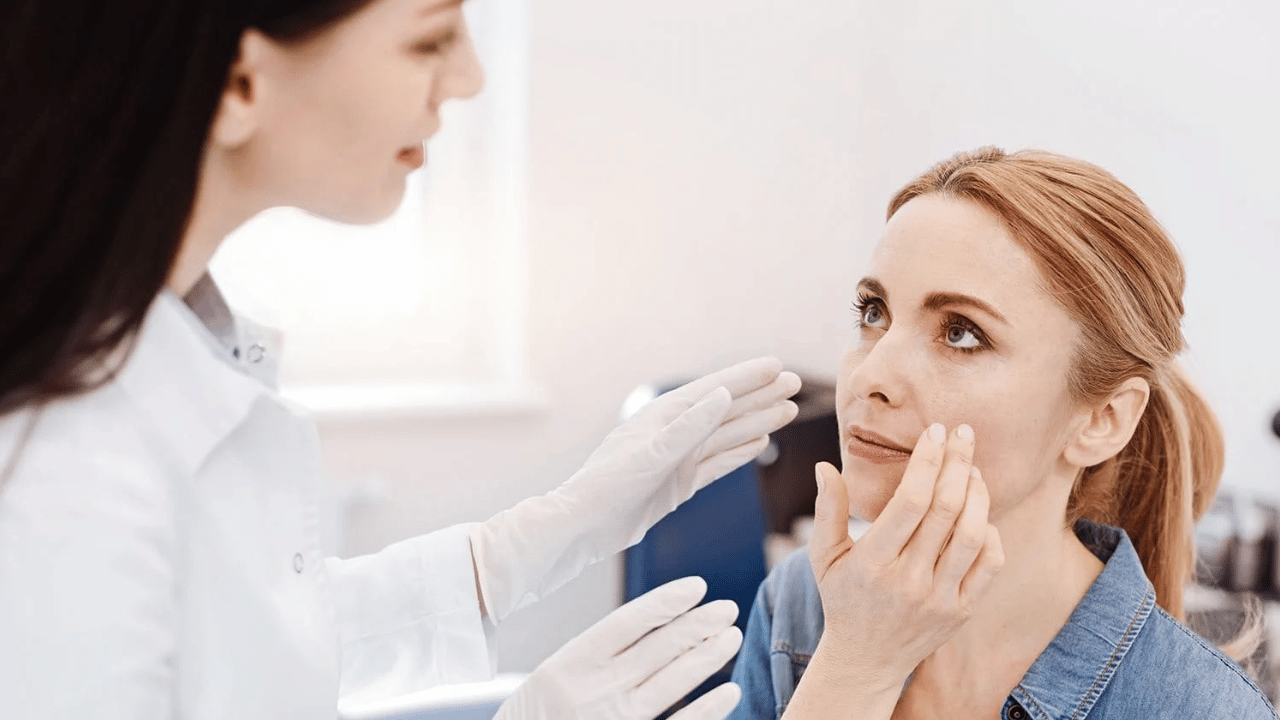
The journey to clear skin requires patience and consistency. It’s essential to consult a dermatologist to develop a personalized treatment plan. A dermatologist can assess your skin type, acne severity, and individual needs, recommending the most appropriate treatments and monitoring your progress.
Beyond the Physical: Addressing the Emotional Impact of Acne
Acne can have a profound impact on self-esteem and quality of life. It’s crucial to acknowledge the emotional toll and seek support if needed. Consider talking to a therapist or joining a support group.
The Power of Transformation: Achieving Clear, Confident Skin
At Healthy Skin and Beauty Treatment Center, we understand that acne isn’t just a surface-level issue. It’s a complex condition that impacts your skin and your confidence. That’s why we’ve dedicated ourselves to providing specialized, targeted solutions that go beyond the ordinary.
We’ve seen firsthand how frustrating and disheartening persistent acne can be. That’s why we don’t just offer generic treatments. We believe in personalized care, tailoring our approach to your unique skin and needs. One of our most innovative solutions is our Acne Mesotherapy with Neoderm Acne. This treatment is designed to address acne at a deeper level, complementing your at-home skincare routine.
Rediscover your skin’s natural beauty and confidence with Neoderm Acne & Booster Therapy. This comprehensive program is designed to clear your complexion and nurture and restore your skin to its healthiest state. Please consult with us to discover how Neoderm can help you achieve your skin goals.
Visit our website to learn more about our Neoderm Acne & Booster Therapy. Please feel free to contact us for a booking or may also connect to us on our WHATSAPP MOBILE No. +66 89 866 2545 Healthy Skin & Beauty Treatment Center.









Leave a Reply