Table of Contents
Ever feel like you’re carrying the weight of the world on your shoulders? Literally? That familiar ache in your neck, the tightness in your back, and the mental fog that just won’t lift are all-too-common feelings in our busy lives. For many, a massage is seen as a once-in-a-while luxury, a special treat reserved for a spa day. But what if we told you it’s so much more than that?
Massage therapy is a powerful tool for your overall well-being, a legitimate practice with scientifically backed health benefits that go far beyond simple relaxation. It’s about proactive self-care and investing in your body’s longevity. In this post, we’re diving deep into the real, tangible advantages of incorporating regular massage into your health and wellness routine.
Professional Massages: Beyond Relaxation to Therapeutic Benefits
I. Unwind Your Mind: The Stress-Busting Power of Touch
One of the most immediate and well-known benefits of massage therapy is profound stress relief. While you might feel the calm wash over you on the table, there’s real science at play. The therapeutic pressure and gentle manipulation of your muscles send signals to your brain to slow down and relax. This process helps lower the body’s cortisol production, the notorious stress hormone responsible for that “fight or flight” tension we often carry.
At the same time, massage can boost levels of serotonin and dopamine, neurotransmitters crucial for feelings of happiness, calm, and well-being. It’s like hitting a reset button for your nervous system. This hormonal rebalancing doesn’t just feel good in the moment; it can lead to improved sleep, a more stable mood, and clearer thinking long after you’ve left the massage room. It’s a holistic approach to managing the mental load of modern life.
II. Soothe Sore Muscles and Manage Physical Pain
Beyond the mental bliss, massage therapy is a phenomenal tool for managing physical aches and pains. Whether you’re dealing with chronic back pain from sitting at a desk, post-workout soreness, or tension headaches that creep up in the afternoon, targeted massage can provide incredible relief.
How does it work? The therapist’s techniques help to increase blood flow and circulation to stiff or injured areas. This improved circulation delivers vital oxygen and nutrients to your muscles, which helps reduce inflammation and speeds up the healing process. For those tight, painful knots, known as trigger points or muscle adhesions, a skilled therapist can work to break them up, restoring flexibility and easing discomfort.
Think about how your body feels after a long day of travel and exploring, perhaps after walking the beautiful beaches of Phuket. A massage can directly address that fatigue and strain, making it a crucial part of both recovery and preventative care for anyone living an active life.
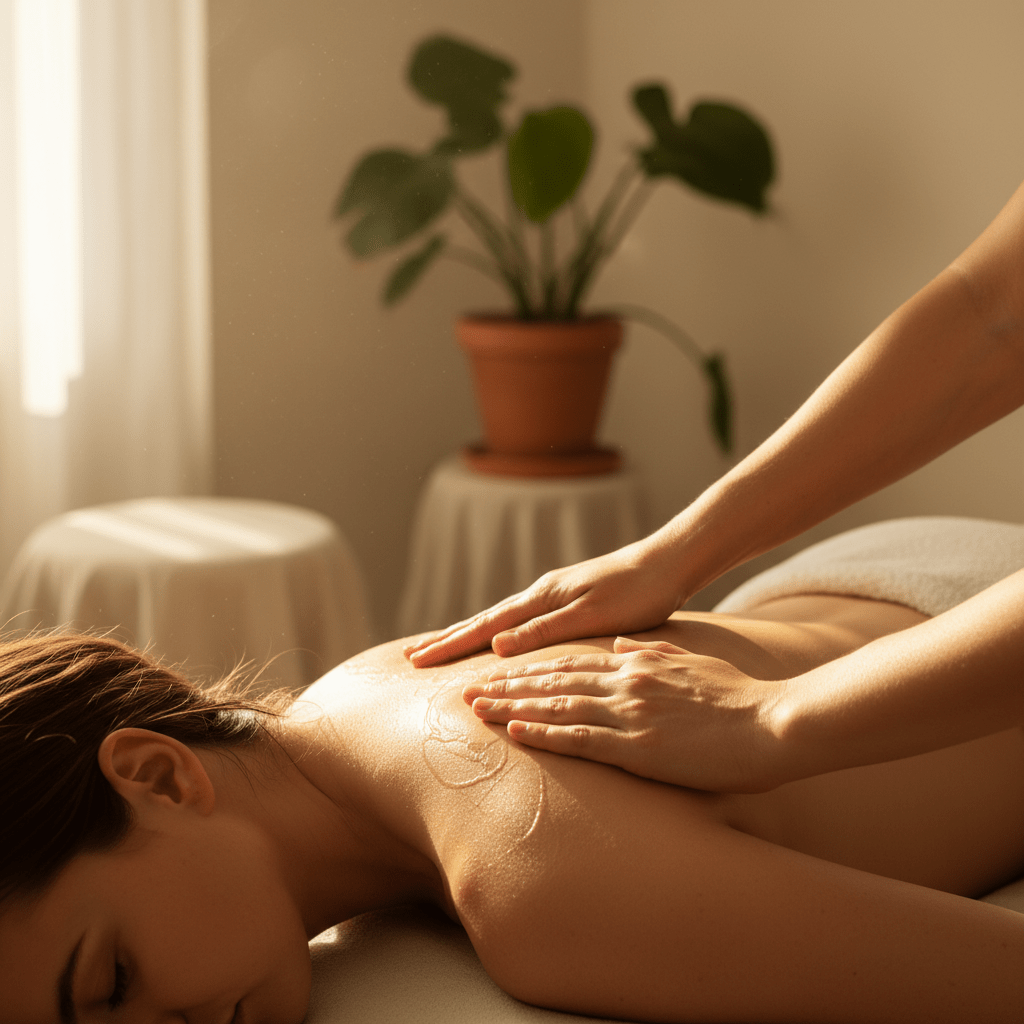
III. Get Things Flowing: Enhanced Blood Circulation
Think of your circulatory system as the body’s essential delivery service, transporting oxygen and nutrients to every cell while carrying away waste products. When this system gets sluggish, you might feel fatigued, sore, or notice swelling in your extremities. Massage therapy acts as a powerful catalyst to get things moving again. The physical pressure applied during a massage manually stimulates blood flow through congested areas. As the therapist uses techniques like kneading and long, gliding strokes, they are effectively pushing blood along, helping to clear out metabolic waste like lactic acid from tired muscles.
This process does more than just feel good; it has a profound physiological impact. Improved circulation means your muscles receive a fresh supply of oxygen-rich blood, which is crucial for repairing tissue and reducing recovery time after exercise. It can also lead to lower blood pressure and improved overall cardiovascular function. If you have ever felt stiff and swollen after a long flight, for example, to a destination like Phuket, a leg-focused massage can work wonders to reduce fluid retention and restore proper circulation. By helping your body’s internal highway run more efficiently, massage ensures every part of you gets the nourishment it needs to function at its best.
IV. Unlocking Restful Nights: How Massage Improves Sleep Quality
In our constantly connected world, a good night’s sleep can feel like an unattainable luxury. Tossing and turning, unable to quiet a racing mind, is a frustratingly common experience. This is where massage therapy offers a remarkable, drug-free solution. The benefits go far beyond simple relaxation. Scientific studies have shown that massage increases the body’s levels of serotonin, a neurotransmitter that plays a key role in mood regulation. What many people don’t know is that serotonin is also a direct precursor to melatonin, the hormone responsible for controlling your sleep-wake cycles. By boosting serotonin, a good massage essentially gives your body the raw materials it needs to produce melatonin and prepare for deep rest.
Furthermore, massage helps to combat the primary culprits of insomnia: pain and stress. By alleviating muscle tension and chronic aches, it removes physical discomfort that can keep you awake. Simultaneously, it lowers cortisol, the body’s main stress hormone. With less cortisol and more serotonin coursing through your system, you are in a much better neurochemical state to drift off easily and stay asleep longer. A calming Thai massage on a relaxing holiday can set the perfect stage for the kind of deep, restorative sleep that leaves you feeling truly refreshed and rejuvenated, ready for the next day’s adventures.
V. Fortifying Your Defenses: A Boost to Your Immune System
While we often associate massage with muscles and stress, one of its most impressive benefits lies in its ability to strengthen your body’s natural defenses. Your immune system is your personal army against bacteria, viruses, and other pathogens, and its effectiveness is deeply tied to your overall well-being. A key factor that weakens this army is chronic stress. When you are constantly stressed, your body produces high levels of the hormone cortisol, which is known to suppress the effectiveness of the immune system over time. Massage therapy directly counters this by activating your parasympathetic nervous system, shifting you out of “fight or flight” mode, and significantly reducing cortisol levels.
The benefits don’t stop there. Research has demonstrated that even a single massage session can produce measurable changes in immune function. A landmark study from Cedars-Sinai Cosmetic Center found that participants who received a 45-minute Swedish massage had a significant increase in the number of lymphocytes, which are the white blood cells that play a large role in defending the body from disease. By decreasing stress hormones and increasing disease-fighting cells, regular massage therapy can make your body more resilient and better prepared to fend off illness. It is a proactive way to invest in your health, helping to keep your internal defenses strong and ready for action.
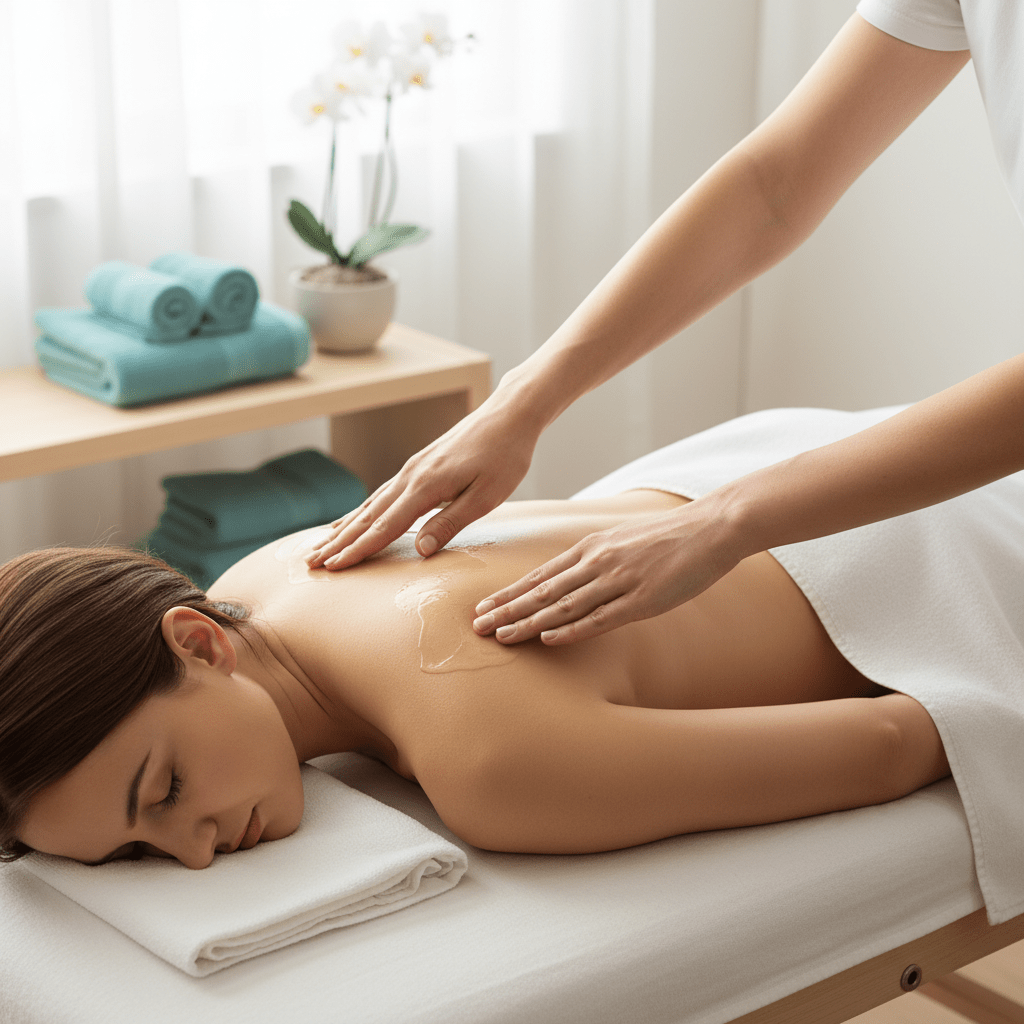
VI. Making Massage a Part of Your Wellness Routine
So, how often should you get a massage? While a single session can provide immediate relief, the most profound health benefits of massage therapy are unlocked through consistency. Think of it less like a one-time indulgence and more like regular maintenance for your body and mind, similar to exercise or healthy eating.
For general wellness and stress management, a monthly massage can be incredibly effective. If you’re dealing with chronic pain, recovering from an injury, or navigating a particularly high-stress period, you might find that more frequent sessions, such as every one or two weeks, provide better results. The key is to listen to your body and work with a qualified therapist to create a plan that aligns with your specific health goals. Integrating massage into your life is a proactive investment in your long-term well-being, helping to prevent minor issues from becoming major ones.
Conclusion
It’s clear that massage therapy is far more than a simple luxury; it’s a powerful tool for enhancing your overall health. From easing chronic back pain and reducing the frequency of tension headaches to lowering stress hormones and promoting restful sleep, its benefits are both comprehensive and scientifically supported. By treating the body and mind as an interconnected system, massage helps restore balance and fosters a profound sense of well-being.
Whether you are an athlete looking to improve performance, an office worker seeking relief from neck strain, or anyone wanting to better manage life’s daily pressures, massage therapy is a legitimate and valuable component of a healthy lifestyle. It’s an investment in yourself that pays dividends long after you leave the table.
Ready to experience these incredible benefits for yourself? Reach out to our team today!